
HACCP focuses on food safety, while quality management systems address consistency and improvement. Alignment avoids duplication and gaps. Integrated systems streamline documentation and training. Alignment improves efficiency and compliance effectiveness. System integration reflects operational maturity.

- Barista Mtaani #for all ;
- #the Coffee farmer
- # The Youth Baristas
- #The Coffee Roast Masters #The Entrepreneurs
- #Coffee Startups
- # for Consumers
- #for Cuppers
- #for you!
Coffee processing generates significant organic waste. Valorization transforms waste into inputs for agriculture, energy, or products. Examples include compost, biochar, animal feed, and biogas. Quality control ensures safety and effectiveness. Waste recovery reduces disposal costs and environmental harm. Valorization integrates sustainability into operations.
Research informs improvement and adaptation. Evidence-based practice reduces reliance on assumption. Collaboration between academia and industry accelerates learning. Data quality ensures validity. Research underpins sustainable advancement.
Introduction to the Coffee Industry – Kenya Coffee School article.
AeroPress Brewing Guide – Kenya Coffee School article.
Espresso extraction relies on pressure-driven flow through a porous coffee puck. Water pressure interacts with grind size, puck density, and resistance to determine flow rate and extraction yield. Too much resistance causes channeling, while too little leads to under-extraction. Pressure profiling allows baristas to adjust pressure over time, improving balance and reducing defects. Understanding espresso […]
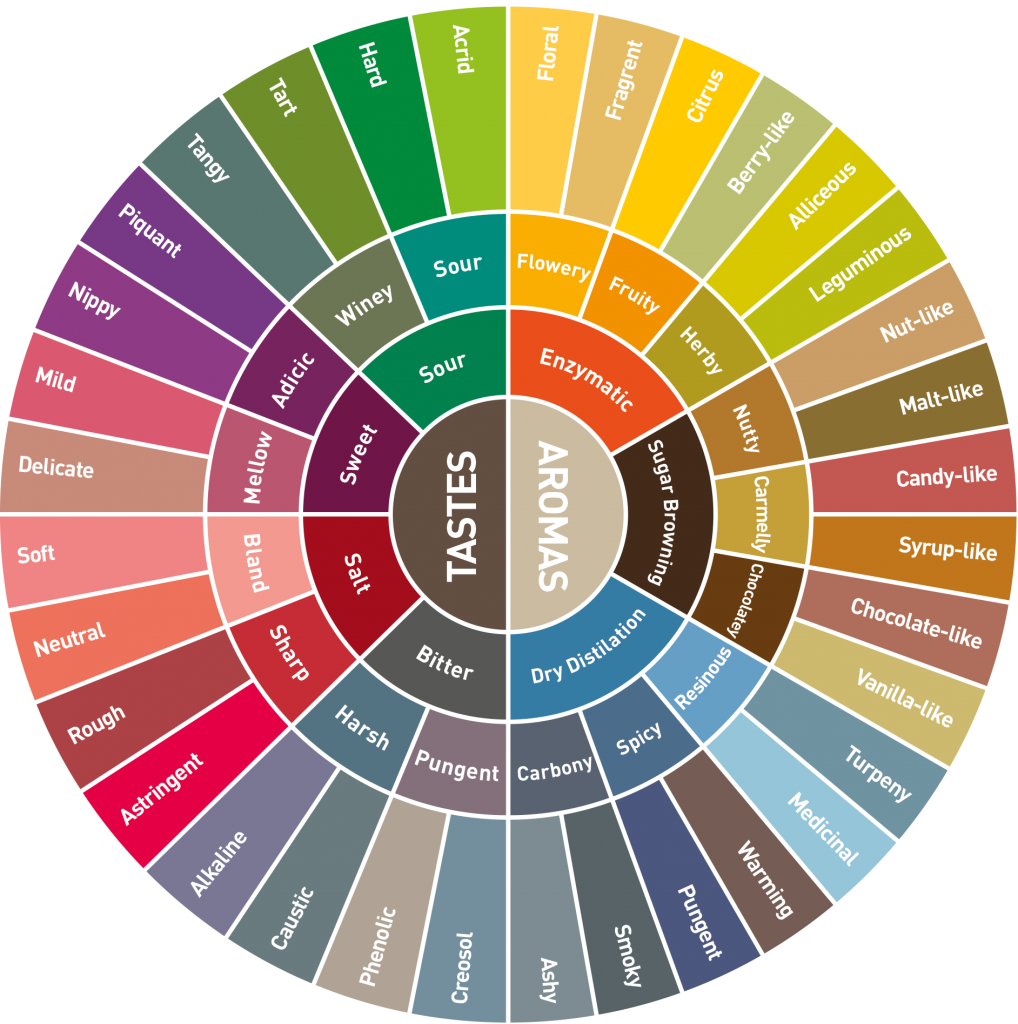
Descriptive sensory analysis uses standardized vocabulary to document flavor attributes systematically. Unlike preference-based tasting, descriptive analysis focuses on objective characterization. Panelists undergo training to align perception and language. This allows meaningful comparison across samples and time. Descriptive analysis supports quality control, product development, and communication across the supply chain.
Rapid cooling halts chemical reactions after roasting. Inefficient cooling allows continued development, altering flavor. Cooling systems use airflow and agitation to remove heat. Optimized cooling preserves intended roast characteristics. Cooling is an extension of roasting, not a separate step.
Tea fermentation ranges from enzymatic oxidation to microbial processes. These transformations shape aroma, color, and body across tea styles.
G4T certification focuses on ethical trade, transparency, and sustainability. Understanding its framework supports compliance and market differentiation.


