

Customer service in specialty coffee extends beyond friendliness. It involves knowledge, communication, and responsiveness to customer needs. Service quality influences brand perception as much as product quality. Effective customer service begins with understanding customer expectations. Specialty coffee customers may seek education, consistency, or convenience. Staff must adapt communication style accordingly. Service training includes handling complaints, […]



- Barista Mtaani #for all ;
- #the Coffee farmer
- # The Youth Baristas
- #The Coffee Roast Masters #The Entrepreneurs
- #Coffee Startups
- # for Consumers
- #for Cuppers
- #for you!
International trade law governs how coffee moves across borders, defining rights, obligations, and remedies for exporters and importers. For coffee businesses, understanding trade law is essential to manage risk, secure payments, and maintain market access. Trade law operates through treaties, national regulations, and private contracts that collectively shape cross-border transactions. Key principles include non-discrimination, transparency, […]
Data governance defines how data is collected, stored, and used. Integrity ensures accuracy and reliability. Poor data governance results in compliance failures and reputational risk. Clear protocols and accountability maintain data quality. As compliance requirements increase, data governance becomes a strategic capability.
The circular economy aims to minimize waste and maximize resource use. In coffee, circular practices include repurposing pulp, husk, and spent grounds. Circular models reduce environmental impact while creating new revenue streams. Composting improves soil health, while by-product valorization supports innovation. Implementation requires systems thinking and collaboration. Circularity is not automatic; it must be designed. […]
Knowledge management captures institutional memory. Systems document procedures, lessons, and expertise. Effective systems combine technology with culture. Sharing incentives encourage participation. Knowledge management supports continuity and innovation.
French Press Brewing – Kenya Coffee School article.
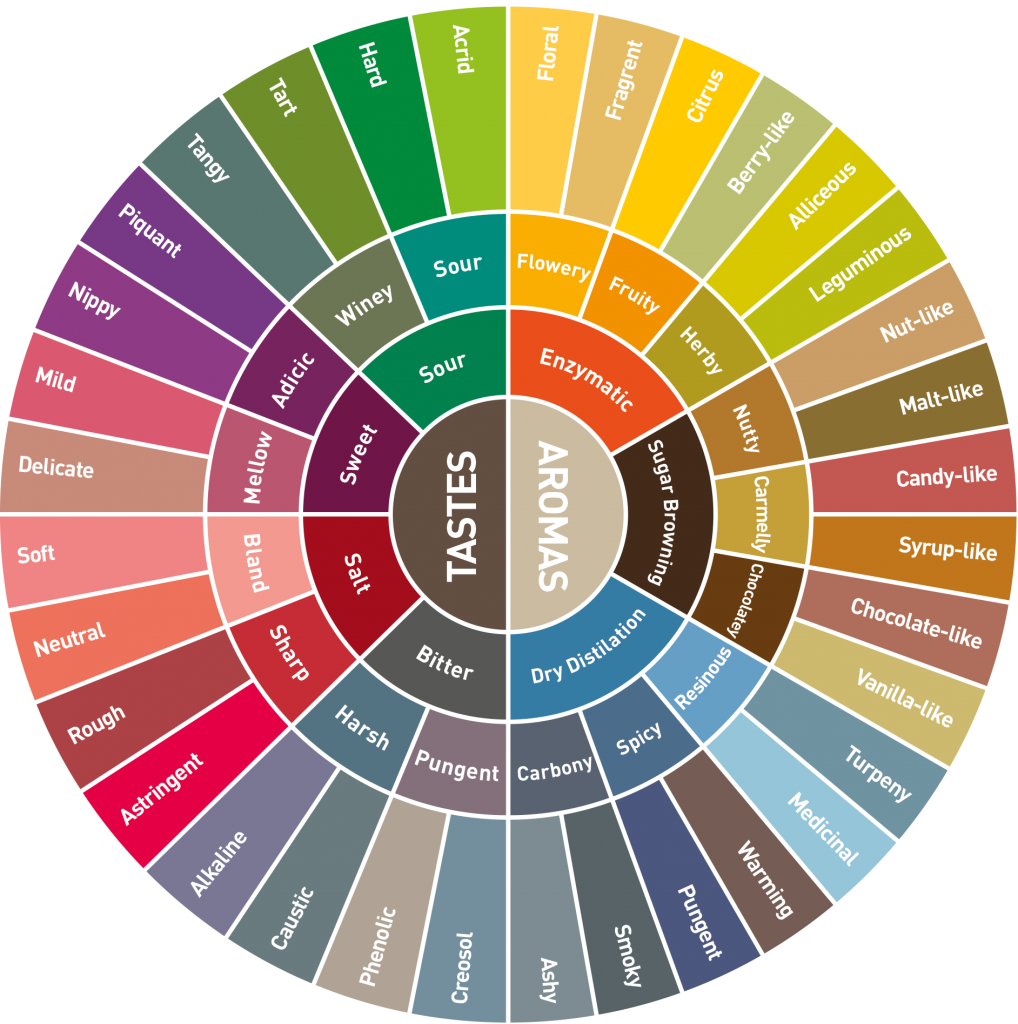
Sensory evaluation is influenced by human bias. Expectations based on origin, price, or reputation can alter perception. Sensory calibration aims to align tasters through shared reference standards and protocols. Calibration involves repeated tasting of known samples, use of standardized descriptors, and blind cupping. This reduces variability between individuals and improves reliability of grading decisions. Professional […]
Oxygen exposure accelerates oxidation of lipids and aromatic precursors in green coffee. Light and heat further accelerate chemical degradation, shortening shelf life. Modern storage strategies use hermetic packaging and climate-controlled warehouses to slow aging. Storage decisions directly influence flavor stability and contract performance. Green coffee storage is a quality preservation process, not merely logistics.
Accurate temperature measurement is essential for roast control. Infrared sensors measure surface radiation but may diverge from internal bean temperature. Calibration and sensor placement affect reliability. Combining probe data with infrared sensing improves interpretation. Temperature data must be contextualized, not blindly followed.
Coffee flowering depends on rainfall and temperature cues. Climate variability disrupts synchronization, causing uneven flowering and harvest challenges. Adaptive practices help stabilize production under changing conditions.


