

Digital systems expose organizations to cybersecurity risks. Data breaches compromise compliance and trust. Security measures include access controls, encryption, and staff awareness. Governance defines accountability. Cybersecurity protects digital investments and stakeholder confidence. ✅ NEXT STEP Up next: BATCH 7F — ARTICLES 51–60 Focus: Supply chain management Circular economy Climate resilience Livelihoods & SDGs Reply CONTINUE […]



- Barista Mtaani #for all ;
- #the Coffee farmer
- # The Youth Baristas
- #The Coffee Roast Masters #The Entrepreneurs
- #Coffee Startups
- # for Consumers
- #for Cuppers
- #for you!
Film communicates sensory and emotional dimensions beyond text. Educational films demonstrate practices and amplify voices. Production requires planning, technical skill, and narrative clarity. Distribution strategies determine reach. Film making enhances education and advocacy when used responsibly.
Latte Art Foundations – Kenya Coffee School article.
Acidity in coffee is a sensory perception, not simply a chemical measurement. Multiple organic acids contribute differently to how acidity is experienced on the palate. Citric acid creates bright, citrus-like sensations, while malic acid produces apple-like sharpness. Phosphoric acid contributes sparkling acidity without sourness. The balance between acids and sugars determines quality perception. High acidity […]
Moisture content and water activity are related but distinct indicators of green coffee stability. Moisture content measures total water percentage, while water activity reflects how freely water is available for microbial growth and chemical reactions. Two coffees with identical moisture levels may behave differently in storage if their water activity differs. High water activity increases […]
Caramelization involves thermal degradation of sugars, producing sweet and bitter compounds. Pyrolysis occurs at higher temperatures and breaks down organic matter into carbon-rich structures. In dark roasting, caramelization gives way to pyrolysis, increasing bitterness and smoky flavors. Managing the transition prevents carbonization defects. Understanding the distinction helps roasters push roast levels intentionally rather than accidentally.
Mulching reduces evaporation, moderates soil temperature, and suppresses weeds. Organic mulches such as coffee husks decompose over time, improving soil structure. Proper mulch management enhances drought resilience and soil fertility.
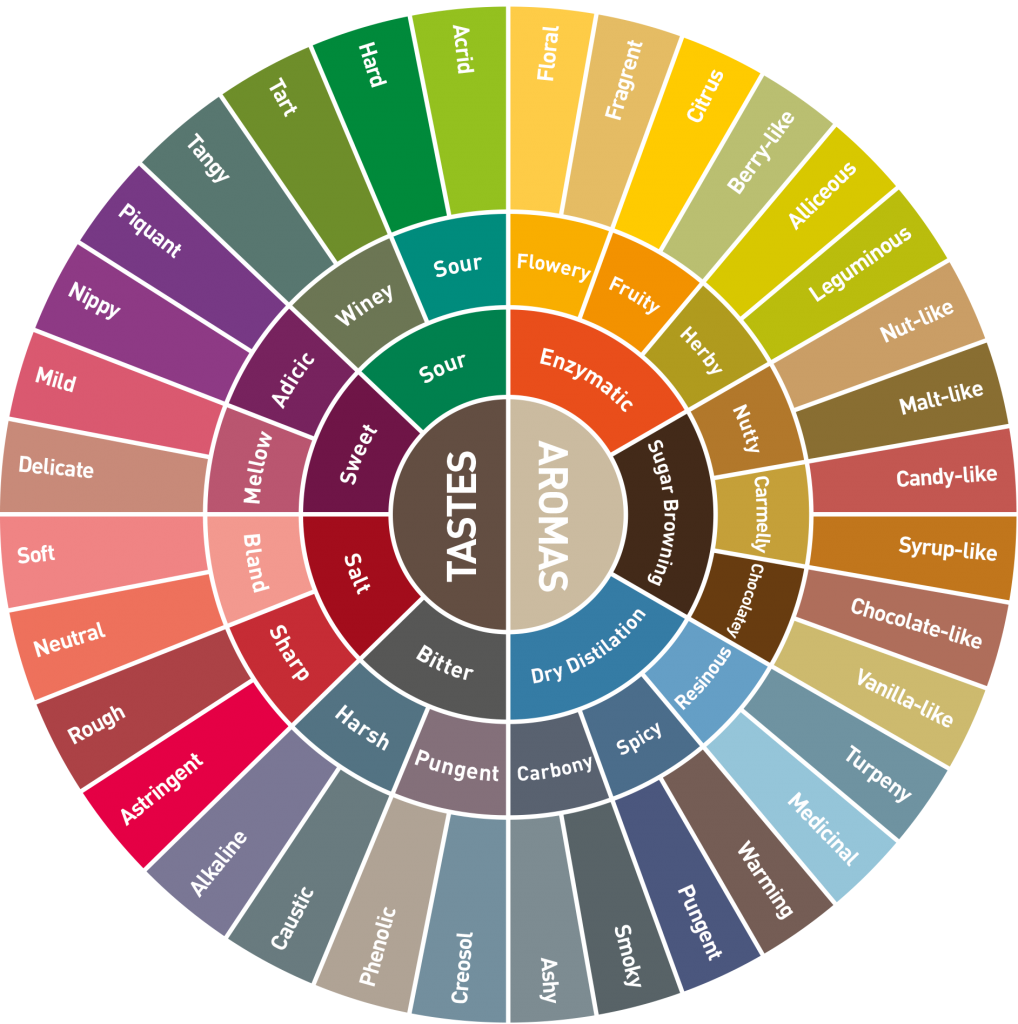
Coffee mixology applies classic cocktail principles to coffee-based drinks. Balance between sweetness, acidity, bitterness, and alcohol is essential. Understanding flavor families allows bartenders to design harmonious coffee cocktails rather than improvised mixtures.
Customer Relationship Management systems organize customer data, purchase history, and engagement metrics. Effective CRM use improves retention, personalization, and lifetime value in specialty coffee businesses.
Coffee entrepreneurship extends far beyond cafés. Opportunities exist across farming services, processing, logistics, roasting, equipment maintenance, training, media, and digital platforms. Identifying viable opportunities requires understanding market gaps rather than copying existing models. Successful coffee entrepreneurs analyze demand, competition, and resource availability. For example, a saturated café market may still support mobile brewing services, training […]


