

Alfred Gitau Mwaura: Affordable Education and Skills Project Through Open Skills Education and Barista Mtaani
By Alfred Gitau Mwaura
Across Africa, millions of talented young people possess the ambition to succeed but are held back by one major barrier—access to affordable, practical, and industry-relevant education. The challenge is not a lack of potential; it is a lack of opportunity. This reality inspired the creation of the Open Skills Education (OSE™) framework and the Barista Mtaani movement.
The vision behind these initiatives is simple yet transformative: quality skills education should be accessible to everyone, regardless of their financial background, location, or level of formal education.
Education That Reaches the People
Traditional education often requires students to travel long distances, pay high tuition fees, and spend years pursuing qualifications that may not immediately translate into employment. Open Skills Education seeks to complement this model by providing flexible, affordable, competency-based learning that responds directly to labour market needs.
Instead of asking learners to come to education, Open Skills Education takes education closer to the learner through community-based training, practical workshops, apprenticeships, and industry partnerships.
The philosophy is clear:
Skills create opportunities. Opportunities transform communities.
Barista Mtaani: Taking Coffee Skills to the Grassroots
Barista Mtaani was established as a grassroots skills movement to democratize specialty coffee education in Kenya. It recognizes that exceptional talent exists in villages, informal settlements, and underserved communities where access to professional training has traditionally been limited.
Working alongside Kenya Coffee School, Barista Mtaani equips learners with practical competencies in:
- Specialty coffee preparation
- Barista skills
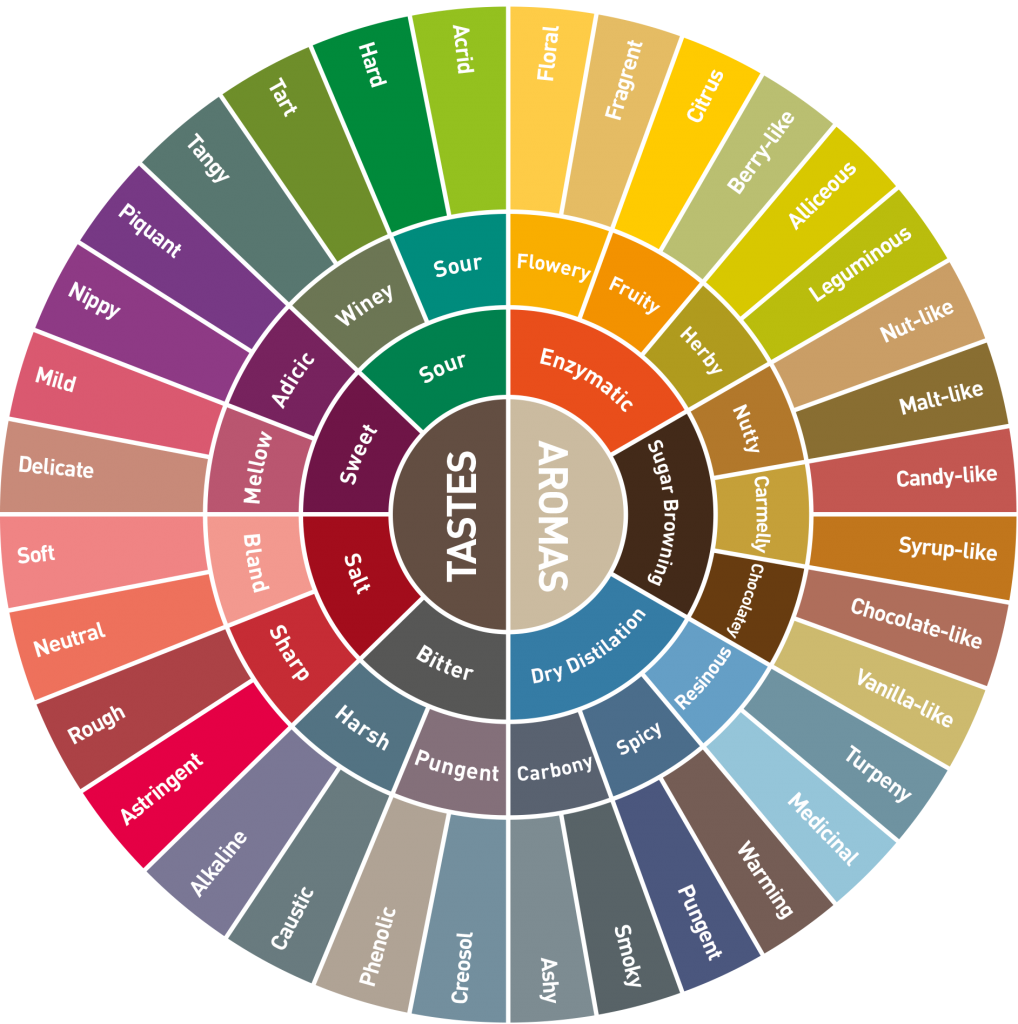
- Coffee sensory evaluation
- Brewing science
- Coffee entrepreneurship
- Customer service and hospitality
- Business management
- Employment readiness
The objective extends beyond producing skilled baristas. It aims to develop entrepreneurs, coffee ambassadors, trainers, and innovators capable of creating employment for themselves and others.
Affordable Education as Social Impact
Affordable education is not merely about reducing tuition fees. It is about removing every barrier that prevents capable individuals from acquiring marketable skills.
The Affordable Education and Skills Project focuses on:
- Flexible payment options.
- Industry-sponsored scholarships.
- Practical learning with minimal theory overload.
- Entrepreneurship development.
- Internship and workplace attachment opportunities.
- Mentorship from experienced professionals.
- Community outreach and mobile training programs.
This model ensures that education becomes an investment with measurable social and economic returns.
Learning by Doing
Open Skills Education emphasizes competency over memorization. Learners spend significant time applying knowledge in real-world environments.
Training includes:
- Practical coffee preparation.
- Hospitality operations.
- Customer interaction.
- Equipment maintenance.
- Coffee quality assessment.
- Business simulations.
- Teamwork and leadership development.
Graduates leave with confidence because they have already practiced the skills employers expect.
Entrepreneurship as a Career Path
Employment is important, but entrepreneurship multiplies impact.
The project encourages graduates to establish:
- Coffee carts
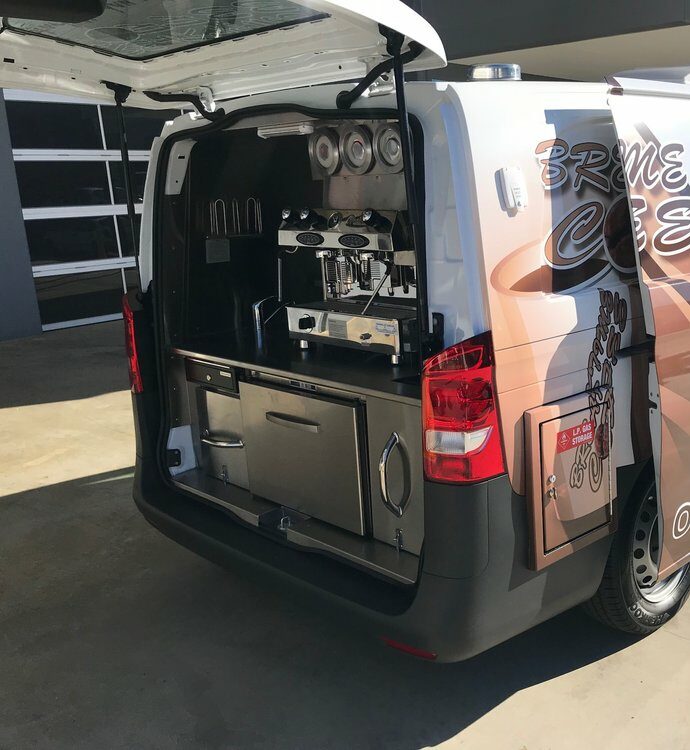
- Mobile cafés
- Community coffee shops
- Coffee roasting businesses
- Beverage consultancy services
- Hospitality enterprises
- Coffee training centres
Through mentorship and business guidance, learners are encouraged to become job creators rather than job seekers.
Building Kenya’s Coffee Future
As one of the world’s renowned coffee-producing countries, Kenya possesses immense potential throughout the coffee value chain. However, sustaining this industry requires continuous investment in human capital.
The Affordable Education and Skills Project prepares young people for careers in:
- Coffee production
- Processing
- Roasting
- Quality control
- Coffee trading
- Hospitality
- Tourism
- Coffee research
- Coffee education
This contributes to a stronger, more competitive coffee sector while creating meaningful employment opportunities.
Inclusive Education for Every Learner
The project welcomes:
- Youth
- Women
- Persons with disabilities
- Farmers
- Hospitality professionals
- Entrepreneurs
- Career changers
- School leavers
- University graduates
Learning opportunities are designed to be inclusive, practical, and responsive to different educational backgrounds.
A Vision Beyond Coffee
Although Barista Mtaani began within the specialty coffee industry, the Open Skills Education model extends to many other sectors, promoting lifelong learning and practical skills that strengthen communities and local economies.
The broader vision is an Africa where skills education is affordable, accessible, and directly linked to sustainable livelihoods.
Social Impact
The Affordable Education and Skills Project reflects the belief that education should never be a privilege reserved for a few. It should be a pathway available to every motivated learner.
Through Open Skills Education and Barista Mtaani, Alfred Gitau Mwaura advocates a model of education that combines affordability, practical learning, entrepreneurship, and community development. By equipping individuals with relevant skills and connecting them to real opportunities, the initiative seeks to empower people to transform not only their own lives but also the communities around them.
The future of education lies not only in classrooms, but also in workshops, cafés, farms, communities, and workplaces where knowledge is transformed into practical skills and meaningful livelihoods.


