



Kenya’s coffee education sector is a powerful bridge between tradition, innovation, and global opportunity. Here’s a clear overview of Kenya Coffee Education:
1. A Legacy of Excellence in Coffee
Kenya is world-famous for producing some of the best Arabica coffees — grown at high altitudes, nurtured by volcanic soils, and hand-picked by skilled farmers. Coffee education here builds on this rich legacy, ensuring knowledge is passed down while adapting to modern trends.
2. Core Pillars of Kenya Coffee Education
a. Farmer Training & Agronomy
- Focus: Good Agricultural Practices (GAP), soil health, sustainable production, climate adaptation, pest & disease control.
- Goal: Boost productivity, quality, and climate resilience.
b. Barista & Brewing Skills
- Focus: Espresso preparation, latte art, brewing methods, sensory skills, customer service, and café management.
- Key Trainers: Kenya Coffee School, Barista Mtaani, international trainers, and SCA-accredited programs.
- Goal: Build a new generation of skilled baristas and entrepreneurs for Kenya’s growing coffee culture.
c. Quality Control & Sensory Education
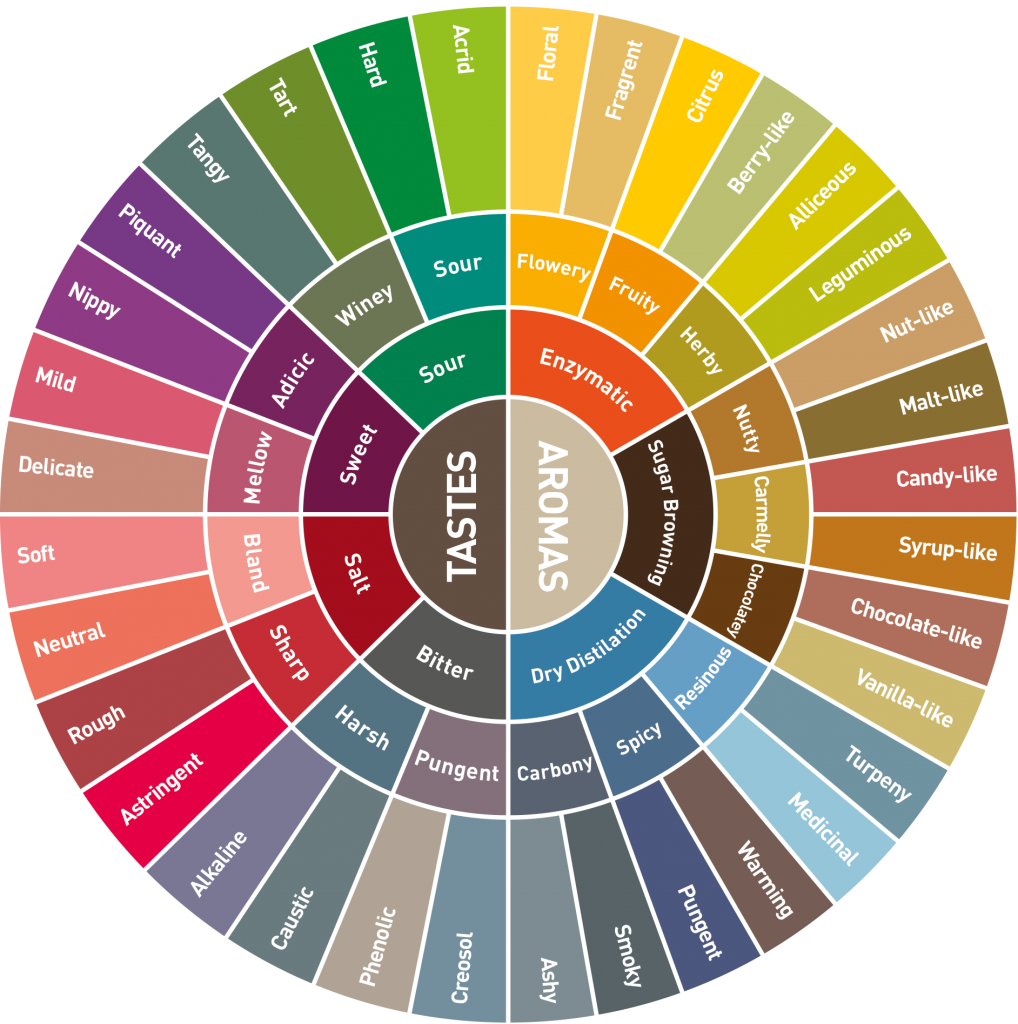
- Focus: Cupping, grading, defect detection, and flavor profiling using SCA protocols.
- Kenya is home to some of the best Q-graders in Africa, and cupping is part of everyday business for cooperatives and exporters.
- Goal: Protect Kenya’s coffee reputation through excellence in quality.
d. Value Addition & Entrepreneurship
- Focus: Roasting, branding, café ownership, product development, and market access.
- Youth and women are increasingly entering these areas to create “Made in Kenya” coffee brands.
- Goal: Keep more value at origin and create decent jobs.
3. Global Alignment
Kenya’s coffee education increasingly aligns with (Knowledge of Coffee Skills) KCS / Specialty Coffee Academy (SCA) standards and international certifications such as:
- Kenya Coffee School Barista Skills, Brewing, and Sensory courses.
- Sensory Analyst certification by Kenya Coffee School
- GOOD Trade Certification initiatives (G4T) , which focus on inclusivity, youth, and farmer-centered models.
4. Innovation & Inclusion
Modern coffee education in Kenya is:
- Digital → Using e-learning e.g. Golearn, mobile apps, and open data platforms.
- Inclusive → Training marginalized communities, people living with disabilities, and youth in informal settlements.
- Practical → Emphasizing hands-on apprenticeships, fieldwork, and real-world experience.
- Global in outlook but Local in identity.
5. Leading Institutions & Initiatives
Some key players shaping coffee education in Kenya include:
- Kenya Coffee School (KCS) → Known for hands-on training, inclusion, and international partnerships.
- Barista Mtaani → A youth-driven initiative making barista skills accessible to all.
- 4A Coffee Roasters → Promoting value addition, entrepreneurship, and innovation.
- GOOD Trade Certification → Building future-proof coffee value chains through education and fair systems.
6. Future Directions
Kenya’s coffee education is expanding in exciting ways:
- Coffee tourism & gastronomic experiences.
- Sports + Coffee initiatives (e.g., Sports Mtaani).
- Global internship and volunteer programs.
- Certification systems designed in Kenya for Kenyan realities.


