
Wet processing consumes large volumes of water. Recycling and treatment systems reduce consumption and pollution, protecting ecosystems and lowering operational costs.

- Barista Mtaani #for all ;
- #the Coffee farmer
- # The Youth Baristas
- #The Coffee Roast Masters #The Entrepreneurs
- #Coffee Startups
- # for Consumers
- #for Cuppers
- #for you!
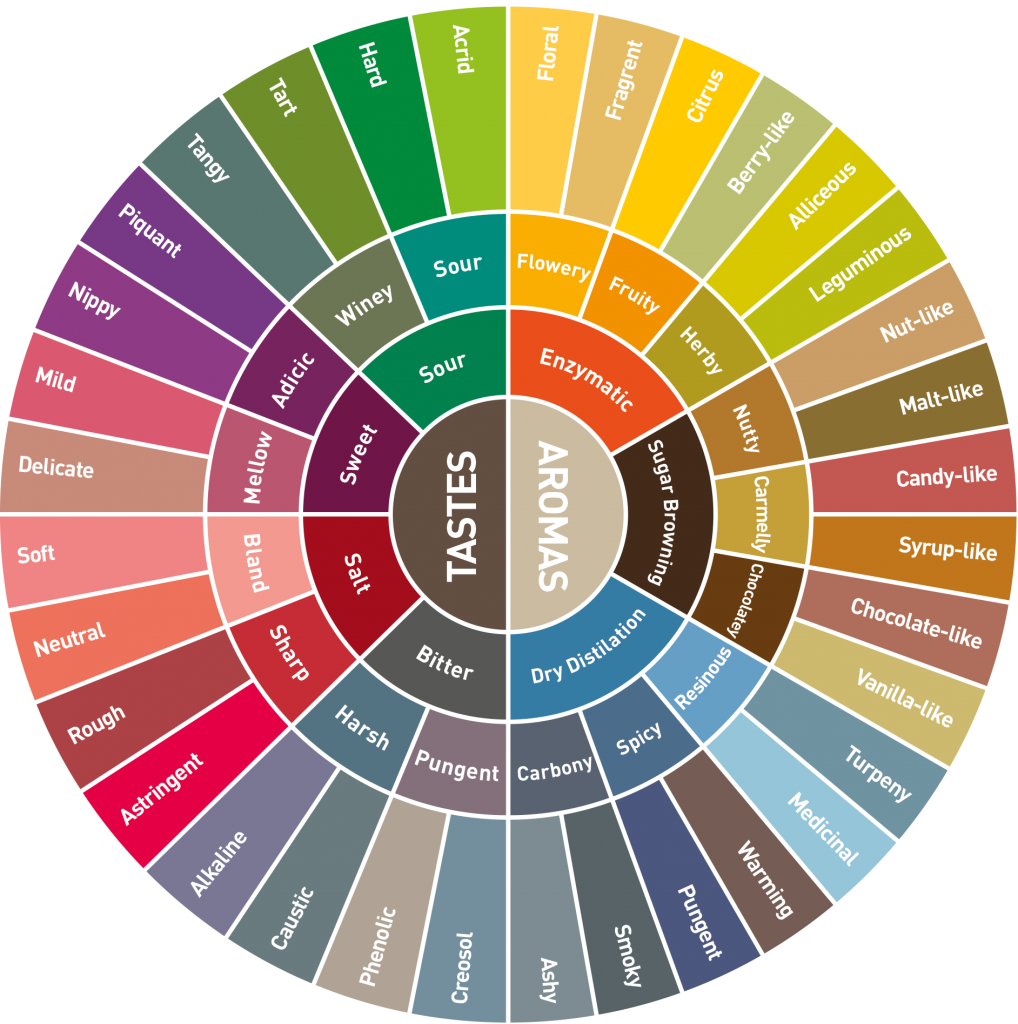
Food and coffee pairings rely on complementary or contrasting flavor interactions. Understanding taste receptors improves pairing success.
Direct trade logistics require coordination between producers and buyers. Managing transport, storage, and timelines preserves quality and transparency.
Business and policy law provides the legal framework within which coffee enterprises operate. Understanding legal obligations is essential for compliance, risk management, and long-term sustainability. Coffee businesses interact with multiple legal domains, including commercial law, labor law, environmental regulations, and consumer protection. At the core of business law is contract formation. Coffee enterprises rely on […]
Customs clearance formalizes goods entry or exit. Procedures involve documentation verification, inspection, and duty assessment. Risk management identifies potential clearance obstacles such as misclassification or regulatory changes. Proactive engagement with authorities reduces delays. Trusted trader programs may expedite clearance for compliant operators. Participation requires consistent compliance and documentation accuracy. Customs literacy minimizes disruptions and protects […]
Geographic Information Systems (GIS) analyze spatial data to inform decision-making. In coffee production, GIS supports farm mapping, land-use planning, and risk assessment. GIS data identifies soil variability, elevation, and climate patterns. This informs planting decisions and resource allocation. Accurate mapping supports compliance with land-use regulations. GIS adoption requires technical capacity and data governance. Simplified tools […]
The SDGs provide a framework for holistic development. Coffee initiatives align with goals related to poverty, climate, and decent work. Alignment requires intentional design and monitoring. SDGs support communication and funding alignment. Strategic alignment enhances relevance and credibility.
Coffee Storage Best Practices – Kenya Coffee School article.
Barista Hygiene and Safety – Kenya Coffee School article.
Water minerals influence extraction efficiency and flavor perception. Calcium and magnesium enhance extraction, while excessive alkalinity flattens acidity. Brewing water must be treated as an ingredient, not a neutral medium. Proper water chemistry improves consistency across brewing methods.


