
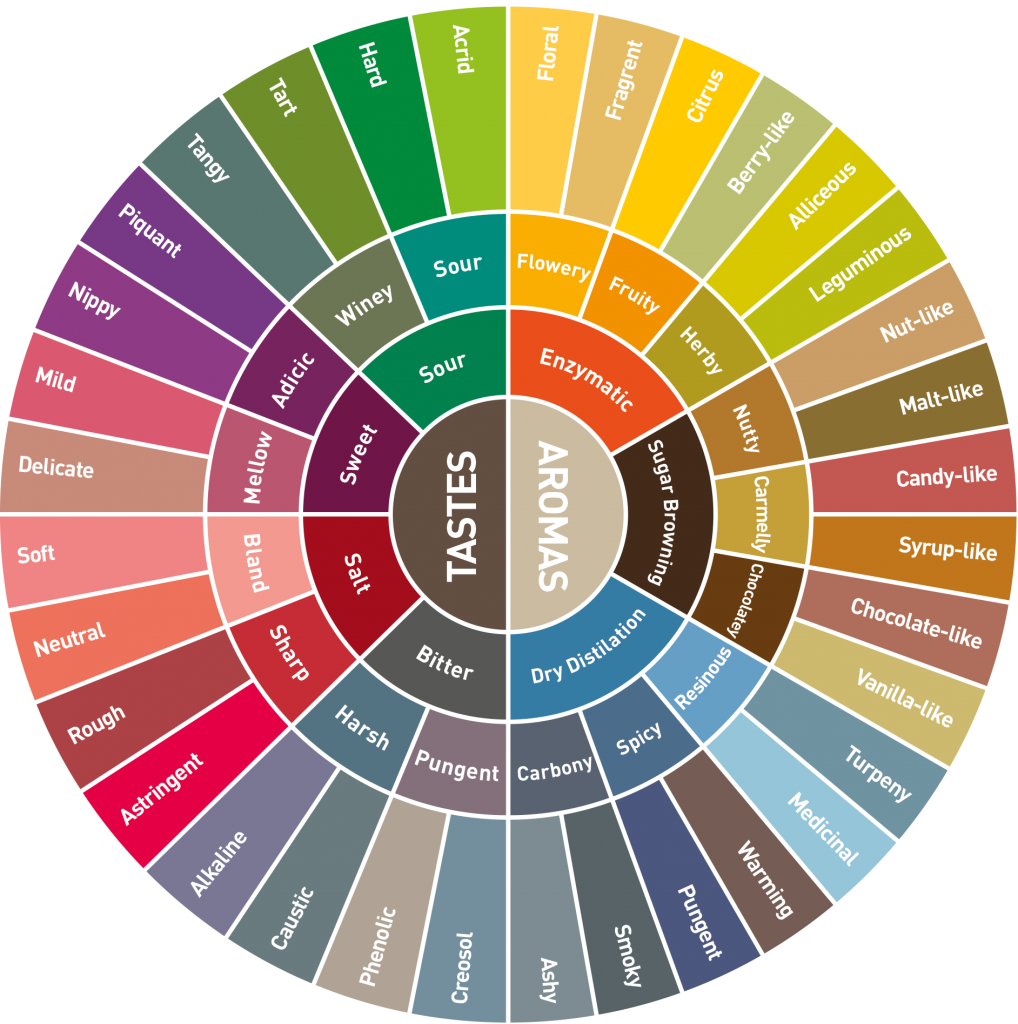
Sensory evaluation is influenced by human bias. Expectations based on origin, price, or reputation can alter perception. Sensory calibration aims to align tasters through shared reference standards and protocols. Calibration involves repeated tasting of known samples, use of standardized descriptors, and blind cupping. This reduces variability between individuals and improves reliability of grading decisions. Professional […]

- Barista Mtaani #for all ;
- #the Coffee farmer
- # The Youth Baristas
- #The Coffee Roast Masters #The Entrepreneurs
- #Coffee Startups
- # for Consumers
- #for Cuppers
- #for you!
Oxygen exposure accelerates oxidation of lipids and aromatic precursors in green coffee. Light and heat further accelerate chemical degradation, shortening shelf life. Modern storage strategies use hermetic packaging and climate-controlled warehouses to slow aging. Storage decisions directly influence flavor stability and contract performance. Green coffee storage is a quality preservation process, not merely logistics.
Accurate temperature measurement is essential for roast control. Infrared sensors measure surface radiation but may diverge from internal bean temperature. Calibration and sensor placement affect reliability. Combining probe data with infrared sensing improves interpretation. Temperature data must be contextualized, not blindly followed.
Coffee flowering depends on rainfall and temperature cues. Climate variability disrupts synchronization, causing uneven flowering and harvest challenges. Adaptive practices help stabilize production under changing conditions.
Plant-based milks behave differently due to protein and fat composition. Understanding these differences prevents curdling and texture loss in mixed drinks.
EUDR compliance requires structured risk assessment and mitigation strategies. Mapping, supplier verification, and documentation reduce deforestation-related trade risks.
Service design applies systematic thinking to customer experience. Mapping the customer journey identifies touchpoints where value is created or lost. Customer experience includes physical space, digital interaction, ordering process, product delivery, and after-sales engagement. Weak points in any stage affect overall perception. Service design tools such as journey maps and personas help businesses align operations […]
Negotiation is a core professional skill in coffee trade. Effective negotiation balances value creation with risk allocation, ensuring sustainable relationships rather than short-term wins. Coffee contracts often involve quality variability, price volatility, and logistical uncertainty, making negotiation particularly complex. Preparation is critical. Negotiators must understand costs, market conditions, and counterpart priorities. Clear objectives define acceptable […]
HACCP focuses on food safety, while quality management systems address consistency and improvement. Alignment avoids duplication and gaps. Integrated systems streamline documentation and training. Alignment improves efficiency and compliance effectiveness. System integration reflects operational maturity.
Coffee processing generates significant organic waste. Valorization transforms waste into inputs for agriculture, energy, or products. Examples include compost, biochar, animal feed, and biogas. Quality control ensures safety and effectiveness. Waste recovery reduces disposal costs and environmental harm. Valorization integrates sustainability into operations.


