

Beyond the Counter: Diverse Career Paths for the Professional Barista at Kenya Coffee School
The foundational skills acquired during professional barista training are not limited to making lattes; they are a gateway to a diverse and dynamic career within the global “seed-to-cup” coffee industry. For experienced baristas, the coffee shop is often just the starting line.
Here are the key career paths that professional baristas can pursue:
I. Retail and Hospitality Management
This is the most direct progression, leveraging strong customer service, leadership, and operational skills.
- Head Barista / Shift Supervisor: The first step up, focusing on quality control, opening/closing procedures, inventory management, and mentoring junior staff. They are the quality and efficiency anchor of the café floor.
- Café/Store Manager: Overseeing all aspects of a single retail location, including financial performance, scheduling, staff recruitment, local marketing, and maintaining brand standards.
- Area or Regional Manager: Managing operations, quality, and profit across multiple café locations for a major chain or franchise. This is a strategic role focused on scaling success.
- Food & Beverage (F&B) Manager: Working within high-end hospitality sectors (hotels, resorts, event centers), where they manage not just the coffee bar, but often the entire beverage and sometimes light food program.
II. Education and Training
The expertise of a professional barista is highly valuable in teaching the next generation. - Barista Trainer / Educator: Working for a coffee academy (like the Kenya Coffee School), a major café chain, or as an independent consultant. They design and deliver training programs on everything from espresso technique and latte art to customer service and specialty brewing.
- Wholesale Trainer: Employed by a coffee roastery to train the staff of their wholesale partners (cafés, restaurants, hotels) on how to properly prepare and serve their specific coffee beans and maintain their equipment.
- Coffee Consultant: Freelance work, advising new or existing businesses on menu development, workflow design, equipment selection, and efficient operational setup.
III. Production and Quality Control
These roles move the barista out of the café and into the world of manufacturing, production, and sensory analysis. - Coffee Roaster / Roast Master: An experienced barista, who understands how taste is affected by roasting, can transition into a roastery. This requires technical knowledge of thermodynamics and chemical reactions to bring out the best flavor in the green beans.
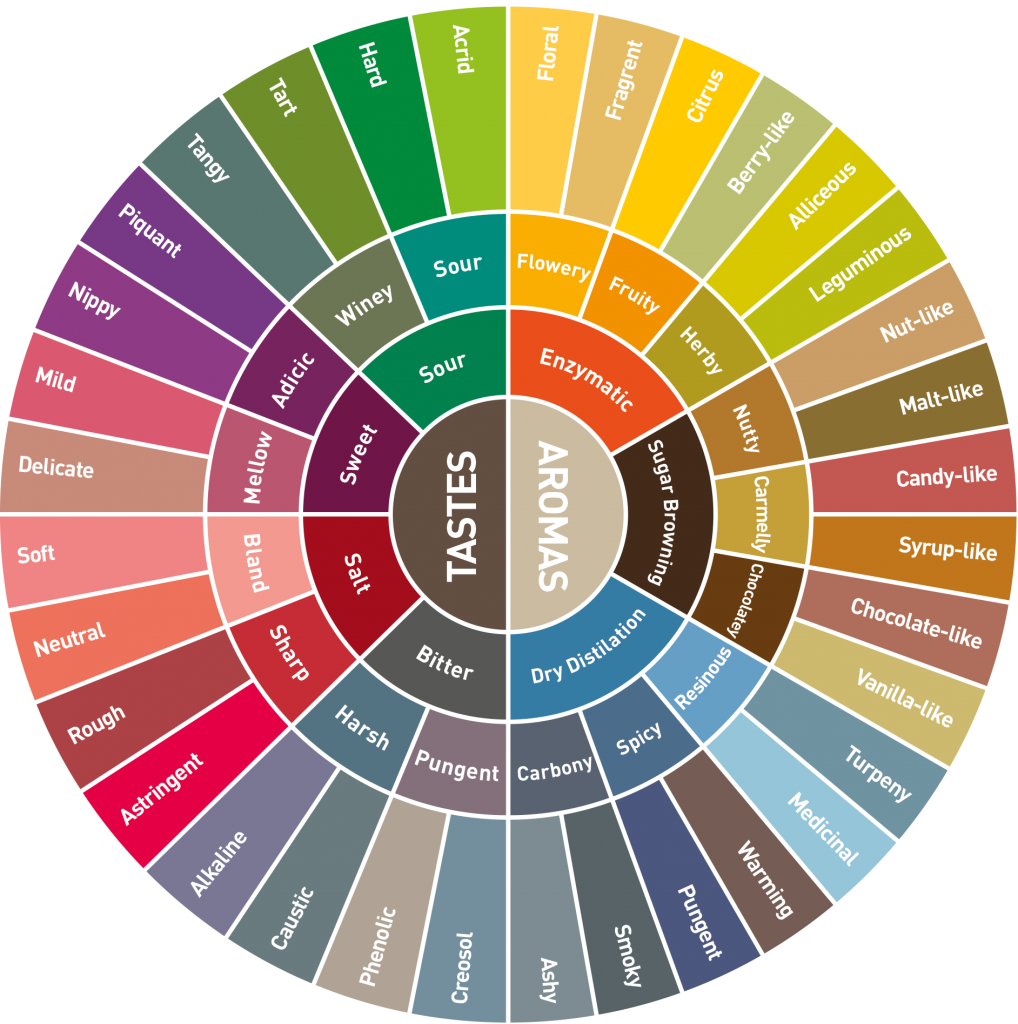
- Quality Control (QC) Specialist: Focused on ensuring consistency from batch to batch. This role involves extensive cupping (professional coffee tasting) to assess and grade the coffee. Baristas with highly developed palates may pursue a Q Grader Certification—a globally recognized standard for coffee sensory analysis.
- Green Coffee Buyer / Trader: Requiring a deep understanding of coffee origins, agricultural practices, market pricing, and sustainability. They travel to coffee-producing countries, evaluate samples, and negotiate purchases.
IV. ️ Technical and Entrepreneurial Roles
Leveraging the practical, hands-on knowledge gained behind the machine. - Coffee Equipment Technician: Combining technical aptitude with coffee knowledge to install, repair, and maintain high-end espresso machines, grinders, and brewing equipment. This is a critical and high-demand skill.
- Sales and Business Development: Working for companies that sell wholesale beans, coffee equipment, or related supplies. A former barista has the credibility and product knowledge to advise café owners effectively.
- Entrepreneur (Café Owner/Operator): For many, the ultimate goal is opening their own specialty coffee shop or micro-roastery. The experience gained as a barista is invaluable for understanding cash flow, customer demand, and operational challenges.


