




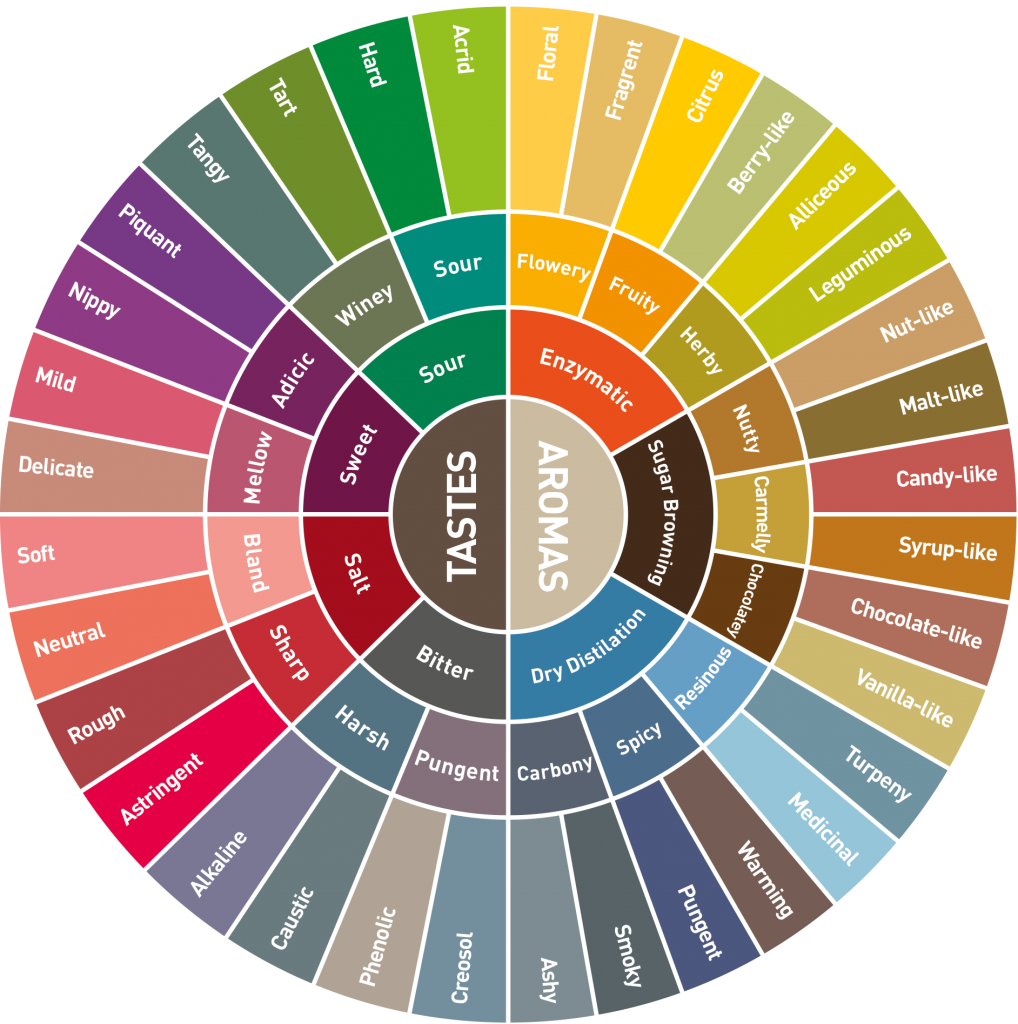

The ABCVA™ is a state-of-the-art sensory evaluation system developed by the Kenya Coffee School. It evaluates coffee based on structural architecture rather than just isolated flavor notes, utilizing an acronym that stands for Aroma, Balance, Complexity, Vibrancy, and Aftertaste. [1, 2, 3]
Understanding exactly what the framework measures illustrates how it is used to assess quality: [1]
- Aroma: Measures fragrance and volatile aromatic compounds.
- Balance: Evaluates the harmony among sweetness, acidity, and bitterness.
- Complexity: Assesses the diversity and layering of different flavor elements.
- Vibrancy: Gauges the brightness and clarity of the coffee’s acidity.
- Aftertaste: Measures the persistence of flavor and the finish. [1, 2, 3, 4, 5]
What makes the ABCVA™ particularly cool is that it relies on weighted sensory analysis (with Balance and Complexity carrying the highest weights) to reflect how the human brain interprets dynamic flavor systems over time. It is designed to link sensory perception with actual coffee chemistry, making it highly useful for researchers and professionals. [1, 2]
For professionals, the system utilizes a grading scale ranging from 7.50 to 10.00 to categorize everything from standard specialty grades up to rare, outstanding Auction coffees. [1, 2]
To get a deeper understanding of how the system works or to calibrate your own tasting skills, you can explore the following resources from the Kenya Coffee School:
- Learn the complete scoring standards on the Kenya Coffee School Sensory Evaluation page.
- Read up on the framework’s molecular and structural approach using the Kenya Coffee School Genetics Guide.
- Train your palate using the methods outlined in the Kenya Coffee School Cupping Calibration Guide.


