Next-Generation Specialty Coffee Academy (2026–2028) Lead Institutions: Kenya Coffee School (KCS), Barista Mtaani, GOOD Trade Certification
1. OVERVIEW OF THE BUSINESS MODEL
Core Business Pillars (Revenue Streams) The Academy operates on six complementary revenue lines :
1) Student Tuition & Training Fees
Barista training (beginner–pro)
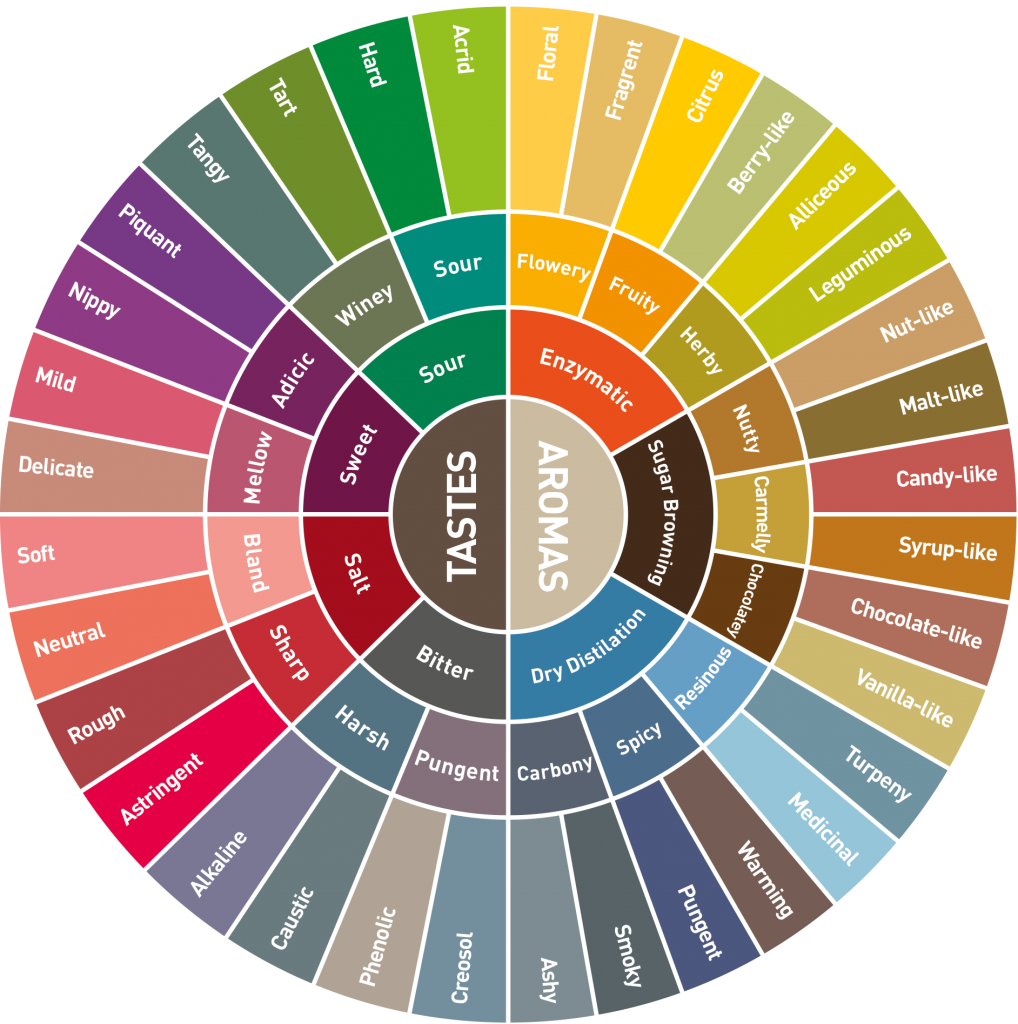
Roasting & sensory labs
Green coffee & agroecology courses
Coffee entrepreneurship programs
Certificates + digital badges
2) Corporate Training & B2B Certifications
Hotels, cafés, restaurants
Coffee exporters, cooperatives
Staff upskilling programs
GOOD Trade compliance training
3) Roastery & Product Sales
Academy-branded roasted coffee
Private-label roasting for hotels/cafés
Coffee sample kits for sensory learning
Small-batch experimental lots
4) Youth Coffee Entrepreneurship Hub
Coffee carts leasing program
Micro-roastery setup advisory
Revenue share from supported ventures
5) Consulting & Traceability Services
Cooperative quality improvement
Value-chain traceability setup
Digital tools + mobile training
Post-harvest processing expertise
6) Grants, Partnerships & Philanthropy
Youth employment donors
Climate & agroecology grants
Education & skills-development foundations
Embassies, trade boards, CSR
2. KEY ASSUMPTIONS (2026–2028)
Annual training capacity: 1,200 students (onsite & online)Roastery capacity: 3 tonnes / month (training + commercial roasting)Cooperative clients: 20 cooperatives by year 3Corporate clients: 35 hotels/cafés annually by year 3Average paid course fee: USD 150–600 depending on levelScholarships: 20–30% youth beneficiaries through partnerships
3. 3-YEAR REVENUE FORECAST (USD)
YEAR 1 (2026) : Capacity Building PhaseRevenue Stream Amount Student tuition $180,000 Corporate training $60,000 Roastery & product sales $45,000 Youth entrepreneurship hub $20,000 Consulting & traceability $25,000 Grants & partnerships $150,000 TOTAL REVENUE (Y1) $480,000
YEAR 2 (2027) : Growth & Regional ExpansionRevenue Stream Amount Student tuition $260,000 Corporate training $100,000 Roastery & product sales $80,000 Youth entrepreneurship hub $40,000 Consulting & traceability $50,000 Grants & partnerships $200,000 TOTAL REVENUE (Y2) $730,000
YEAR 3 (2028) : Maturity & Multi-Country InfluenceRevenue Stream Amount Student tuition $350,000 Corporate training $150,000 Roastery & product sales $120,000 Youth entrepreneurship hub $75,000 Consulting & traceability $95,000 Grants & partnerships $250,000 TOTAL REVENUE (Y3) $1,040,000
4. EXPENSE FORECAST (USD)
A. Staffing & HR (Core Team) Role Cost / Year Head of Academy $30,000 Lead Trainer (Barista & Café Skills) $18,000 Lead Trainer (Roasting & Sensory) $20,000 Agronomist / Green Coffee Expert $18,000 Operations Manager $15,000 Marketing & Communication $12,000 Admin + Finance $10,000 Support Trainers (part-time) $15,000 Total HR / Year $138,000
B. Facilities & Equipment (Roastery, lab, café simulator, classrooms)
Item Annual Cost Roasting machine maintenance $6,000 Sensory lab materials $8,000 Green coffee for training $12,000 Brewing & espresso machines maintenance $7,000 Facility rent / utilities $36,000 Furniture & replacements $5,000 Total Facilities $74,000
C. Operations & Marketing Operations Area Cost Website, LMS & digital tools $10,000 Branding, PR, marketing $15,000 Travel for field training $8,000 Transport & logistics $6,000 Office supplies $4,000 Total Ops $43,000
D. Youth Scholarships (20–30% of learners) Item Annual Cost Scholarships bursary $40,000
TOTAL EXPENSES PER YEAR
Year Expenses Year 1 $295,000 Year 2 $350,000 (added trainers + expanded facilities)Year 3 $420,000 (regional expansion, higher capacity)
5. NET POSITION (PROFIT / SURPLUS)
Year Revenue Expenses Net Year 1 $480,000 $295,000 +$185,000 Year 2 $730,000 $350,000 +$380,000 Year 3 $1,040,000 $420,000 +$620,000
→ The Academy becomes financially sustainable from Year 1 and strongly profitable from Year 2 onward. Funds surplus can be reinvested into youth programs, farmer innovation, and GOOD Trade Certification oversight.
6. IMPACT METRICS (2026–2028)
By Year 3:
4,000+ trained learners 1,000 farmers certified under GOOD Trade 500 youth placed in cafés, hotels & roasteries 200 new coffee micro-businesses launched Quality scores increase +3–5 points in partner cooperatives Local roasting capacity expanded in 8 counties Improved incomes for 10,000 smallholder families
7. RISKS & MITIGATION
Risk Mitigation Low student enrollment Mobile outreach, scholarships, partnerships with counties Equipment breakdown Maintenance fund, backup machines Grant delays Strong earned-income model reduces dependency Coffee price shocks Focus on value-addition, roasting & training not raw commodity prices Staff retention Competitive incentives, trainer development program
8. 3-YEAR GROWTH STRATEGY
Year 1 – Foundation
Establish full academy
Launch roastery & sensory lab
Build partnerships with 10 cooperatives
Begin youth hub pilot
Year 2 – Expansion
Regional training centers in 3 counties
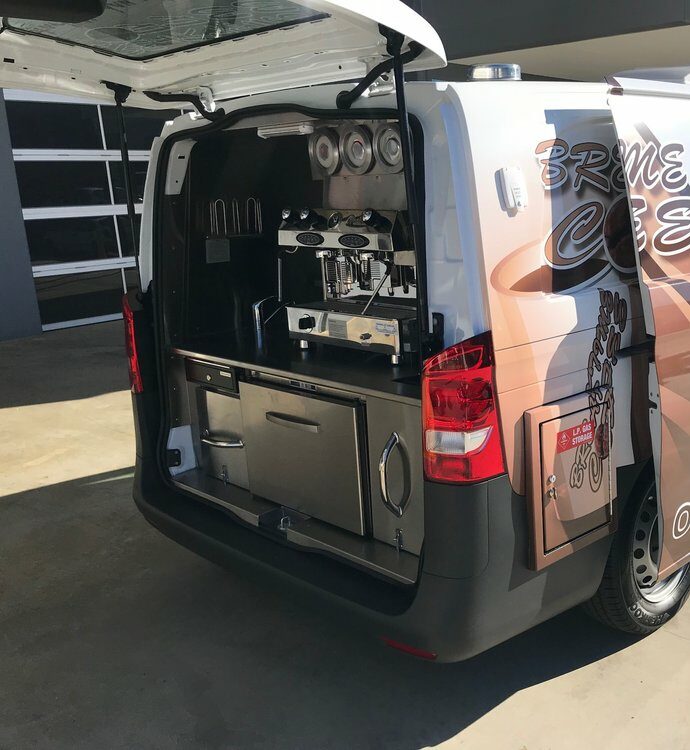
Introduce mobile training vans
Launch farmer-to-cupper program
Train first cohort of GOOD Trade auditors
Year 3 – Pan-African Reach
Advisory services to Ethiopia, Rwanda, Uganda
Digital Academy 2.0 (AI learning)
GOOD Trade Certification fully operational
Academy recognized as regional coffee leadership center
9. CALL TO ACTION
This business model positions Kenya Coffee School and GOOD Trade Certification to:
✔ Transform the entire African coffee value chainepicenter of specialty coffee knowledge in Africa