
Kenya Coffee School sits at the top of the chain — a professional institution that treats coffee not as agriculture alone, but as a skilled trade deserving of the same rigorous, structured training given to chefs, engineers, or accountants. It builds baristas, Q-graders, coffee entrepreneurs, and farm-to-cup specialists. It aligns its curriculum directly to employment. And crucially, it insists that Kenya’s coffee story be told by Kenyans with credentials to match their craft.
Barista Mtaani takes that same conviction and carries it into the neighborhoods where formal education has never reached. The name translates simply: “barista in the community.” The model is equally direct — bring skills to where people are, reduce the time between training and income to weeks rather than years, and prove that economic inclusion does not require a campus or a certificate. It is a grassroots movement with measurable outcomes: young women and men earning, contributing, building micro-enterprises in the very communities that once had nothing to offer them.
Open Skills Education (OSE™) provides the architectural layer that makes the whole system globally portable. Built on one radical premise — that what you can do matters more than where you studied — OSE creates a recognition framework that connects skilled people to opportunities without the gatekeeping of traditional credentials. It is Africa-born but borderless in its ambition.
From Bean
to Blueprint
How Kenya Coffee School, Barista Mtaani, and Open Skills Education are building Africa’s most complete skills-driven sustainable development ecosystem.
Read the story →Founder, Kenya Coffee School
Kenya produces world-class coffee. The value was built elsewhere.
There is a quiet revolution happening in Kenya — not in boardrooms or policy chambers, but in the streets of Nairobi’s estates, behind espresso machines, and in the hands of young people who have been told by traditional systems that they do not qualify.
Alfred Gitau Mwaura looked at that gap and saw something different. He saw a platform. Kenya has long produced some of the world’s most prized coffee — complex, bright, sought after by roasters in Tokyo, London, and New York. Yet for decades, the country lacked a structured system to train the people closest to that crop in the skills needed to benefit from its global prestige.
Farmers were growing commodity. The value — the cafés, the certifications, the careers — was being built elsewhere. Mwaura’s answer was not a single program. It was an ecosystem.
Three initiatives. One unified mission.
Kenya Coffee School
A professional institution that treats coffee not as agriculture alone, but as a skilled trade deserving of rigorous, structured training. It builds baristas, Q-graders, coffee entrepreneurs, and farm-to-cup specialists.
Barista Mtaani
Skills delivered directly to estates and informal settlements. The name translates simply: “barista in the community.” Income within weeks, not years, for youth outside formal systems — building micro-enterprises in the streets.
Open Skills Education™
A borderless framework built on one radical premise — what you can do matters more than where you studied. OSE creates a recognition system that connects skilled people to global opportunities without traditional gatekeeping.
Kenya Coffee School: Professionalization as justice
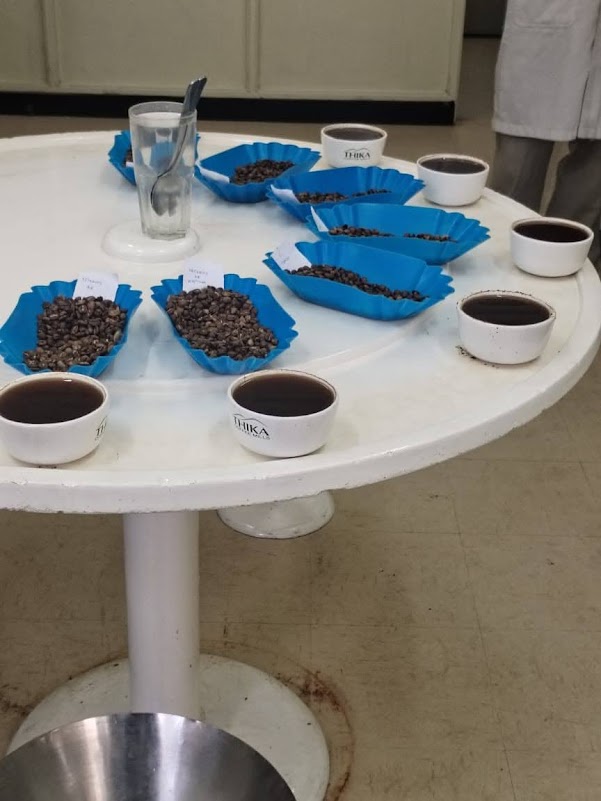
Kenya Coffee School sits at the top of the chain — a professional institution that insists Kenya’s coffee story be told by Kenyans with credentials to match their craft. It builds baristas, Q-graders, and coffee entrepreneurs through industry-aligned, practical training with real-world outcomes.
The school addresses a structural gap that has persisted for generations: Kenya exports raw coffee while the premium value — the roasteries, the specialty cafés, the direct-trade relationships — accrues elsewhere. By training Kenyans at the highest professional levels, the school begins to close that gap at its source.
Barista Mtaani: Where inclusion becomes visible
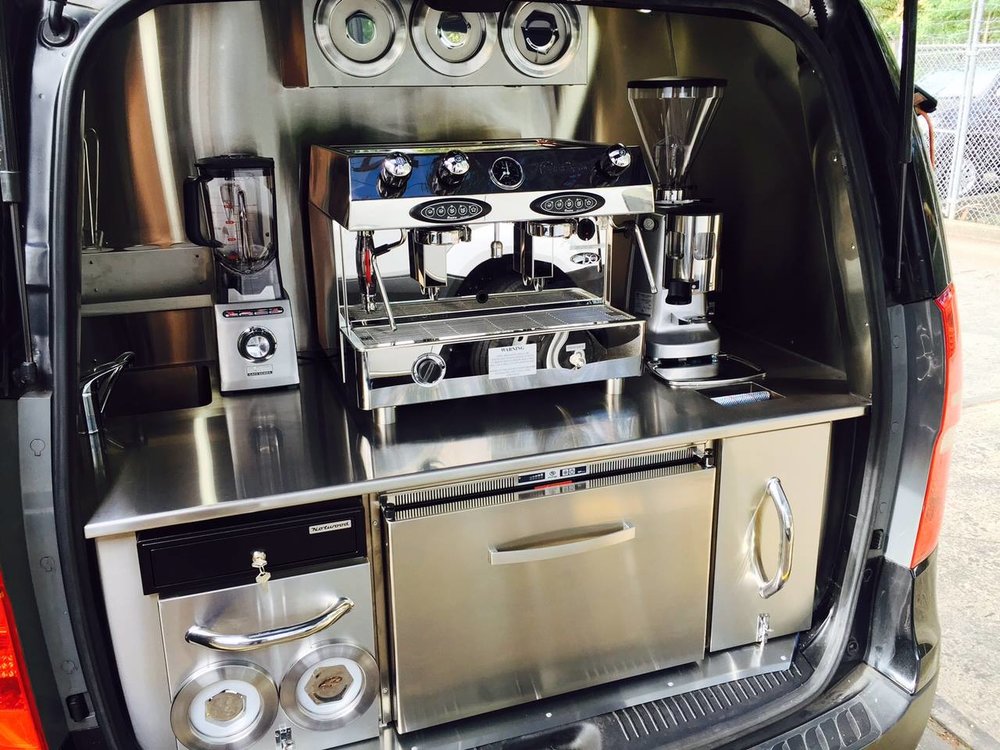
Barista Mtaani carries that conviction into neighborhoods where formal education has never reached. The model is elegant in its directness — bring high-value skills to where people are, reduce the time between training and income, and prove that economic participation doesn’t require a campus or a paper certificate.
Economic inclusion does not start in boardrooms — it starts in communities. The coffee cart on the corner is not just a business. It is evidence.
Young women and men are earning, building micro-enterprises, and contributing tax base in the very communities that once had nothing to offer them. The SDG implications are not theoretical — they happen in the transaction, in the pride of ownership, in the daughter who now has income of her own.
Open Skills Education: Borderless by design
Open Skills Education provides the architectural layer that makes the whole system globally portable. It shifts the fundamental question from “Where did you study?” to “What can you do?” — and builds the verification and recognition infrastructure to make that shift meaningful to employers worldwide.
This is not just a credential system. It is a philosophical reorientation of what education is for. OSE’s model is Africa-born but does not limit itself to African ambition. It is designed to create a borderless workforce, recognizing that a skilled barista trained in Nairobi should have access to opportunities in Dubai, London, or Osaka.
Why the three converge
What makes this ecosystem remarkable is not that it addresses poverty or unemployment in isolation. It is that it addresses all of it — simultaneously and systematically. The 17 Sustainable Development Goals were designed to be interconnected, not siloed. Mwaura’s model reflects that logic in practice.
When a young woman in Mathare earns her first income through Barista Mtaani, that is SDG 1 (No Poverty) and SDG 5 (Gender Equality) and SDG 8 (Decent Work) happening in the same moment. When a farmer learns sustainable coffee processing, that is SDG 2, SDG 12, and SDG 13 converging in a single lesson. The intervention is singular. The impact is plural.
A reclamation project
At its deepest level, this is a reclamation project. A repatriation of value. Training Kenyans to compete at the top of an industry their country already dominates at the bottom.
That is not just economic strategy. It is a form of dignity. The question now is scale — and whether governments, investors, and institutions will recognize that this model does not need to be reinvented. It needs to be resourced and replicated: in other crops, other trades, other countries where the same gap between raw talent and recognized skill is quietly costing entire generations their future.
The coffee is already world-class. The school is open. The streets are ready.
All 17 SDGs. One ecosystem.
Skills are the most scalable solution to sustainable development.
By turning coffee into a platform for education, employment, and innovation, Alfred Gitau Mwaura and his initiatives are building a skills-driven economy, a youth-powered workforce, and a sustainable development model rooted in Africa — and ready for the world.


