
International Certification Mark · Est. 2019
The mark of verified coffee quality.
Global Coffee Standard certifies coffee against one auditable specification — from soil to cup — so the mark means the same thing wherever it appears.
Quality claims used to mean whatever the label wanted them to mean.
GCS exists to fix that. Every producer, cooperative, and lot bearing the mark has been graded, audited, and registered against the same five-part specification — independent of the brand selling it.
The standard is public. The registry is public. Any certification number on any bag can be checked against the record that issued it, at any point in its twelve-month validity.
We are not a marketing label. We are the specification a marketing label has to earn.
GCS 3.2 · Revised January 2026
Five criteria. One specification.
A lot qualifies for the mark only when it satisfies all five clauses of the standard — not a weighted average of some.
Traceability
Every lot is traced from farm to export with an unbroken chain-of-custody record, verifiable by registry number.
Quality Grading
A minimum cupping score of 82 SCA points, scored blind by an accredited GCS grading lab.
Labor Practice
Attested fair-wage payment and a documented prohibition of forced or child labor across the supply chain.
Environmental Practice
Verified limits on agrochemical use, water discharge, and minimum shade-cover ratios for arabica lots.
Processing Integrity
Declared wet or dry processing method with export moisture content held at or below 12%.
Registry Reporting
Volume and lot data filed to the public registry each cycle, matched against export documentation.
How certification is earned
The certification process
Five stages, in order. A lot cannot advance to the next stage until the previous one is signed off by an accredited auditor.
Apply
Producer or cooperative submits farm records and a representative lot sample to a GCS regional office.
Lab grading
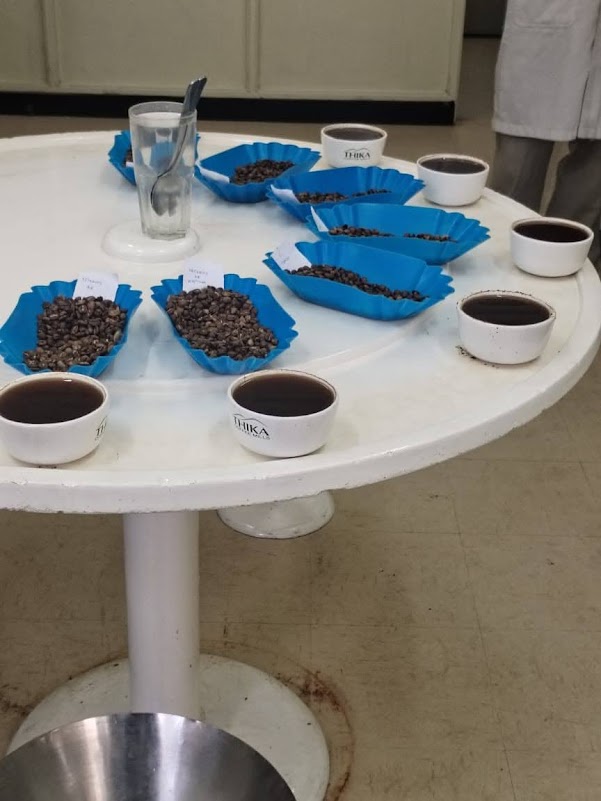
The sample is cupped blind and analyzed for moisture and defect count at an accredited GCS lab.
Field audit
An independent auditor inspects the farm or mill on-site against all five clauses of the standard.
Certification issued
A unique registry number is issued and the mark becomes valid for use on that lot for twelve months.
Annual review
Re-grading and re-audit before expiry keeps the certification and registry entry current.
Public registry · Sample entries
Currently certified
Every active certification is logged here with its registry number. This is a representative excerpt of the full public registry.
Bring your coffee to standard.
Applications open on a rolling basis for producers, cooperatives, and mills anywhere in the world. The first lab grading is free for new applicants.
#Kenya Coffee School #Barista Mtaani
Contact : +254707503647 or +254704375390


