




ABCVA™ Scoring Nuances: A Detailed Exploration
ABCVA™ (developed by Alfred Gitau Mwaura at Kenya Coffee School) is a structured 100-point sensory science system tailored for specialty coffee, especially East African origins. It emphasizes the five pillars (Aroma, Balance, Complexity, Vibrancy, Aftertaste) while integrating broader quality dimensions. Here’s a breakdown of key nuances, drawing from the official frameworks:
1. Core Scoring Structure (The 5 Pillars)
Each pillar is scored 0–20 points for a base sensory total of up to 100. Scoring is holistic and temperature-dependent—reassess as the cup cools.
- A (Aroma): Dry fragrance, wet aroma (crust break), and cup aroma. Focus on volatile compounds (800+ in coffee). Nuances: Distinguish phases (dry vs. wet) and intensity/character.
- B (Balance): Harmony of sweetness, acidity, body, and bitterness. No single attribute should dominate.
- C (Complexity): Flavor layering and evolution across temperatures (hot → warm → cool). High scores reward coffees that “change” positively.
- V (Vibrancy): Brightness, energy, and acidity quality (not just intensity). Key for Kenyan-style phosphoric/citric brightness.
- A (Aftertaste): Length, cleanliness, and pleasant persistence (sweet/chocolatey/fruity finishes score highest).
Nuance: Great coffees often improve as they cool—update scores during the 20–35 minute session.
2. Extended KCS-ABCVA™ Framework (S + E + C)
The full system expands beyond pure sensory for a more holistic evaluation:
| Component | Max Points | Focus Areas | Key Nuances |
|---|---|---|---|
| Sensorial (S) | 40 | Aromatics, flavor, acidity, body, etc. | Core ABCVA™ pillars mapped here |
| Economic / Traceability (E) | 30 | Farm docs, processing consistency, defects, sustainability, pricing transparency | Rewards ethical/traceable supply chains |
| Character / Integrity (C) | 30 | Distinctiveness, terroir, consistency, market potential, refinement | Emphasizes “true expression” of variety/origin |
Final Score = S + E + C (out of 100).
3. Grading Scale & Market Implications
| Score Range | Grade | Characteristics & Market Fit |
|---|---|---|
| 90–100 | Heritage Elite™ | Extraordinary, auction/Cup of Excellence level |
| 85–89 | Exceptional | Premium direct trade |
| 80–84 | Specialty Grade | Meets SCA threshold; clean, distinct |
| 75–79 | Premium | Good but limited complexity |
| 70–74 | Commercial | Acceptable, blending use |
| <70 | Below Standard / Rejected | Defects prominent |
Specialty threshold: 80+ points.
4. Practical Nuances & Calibration Tips
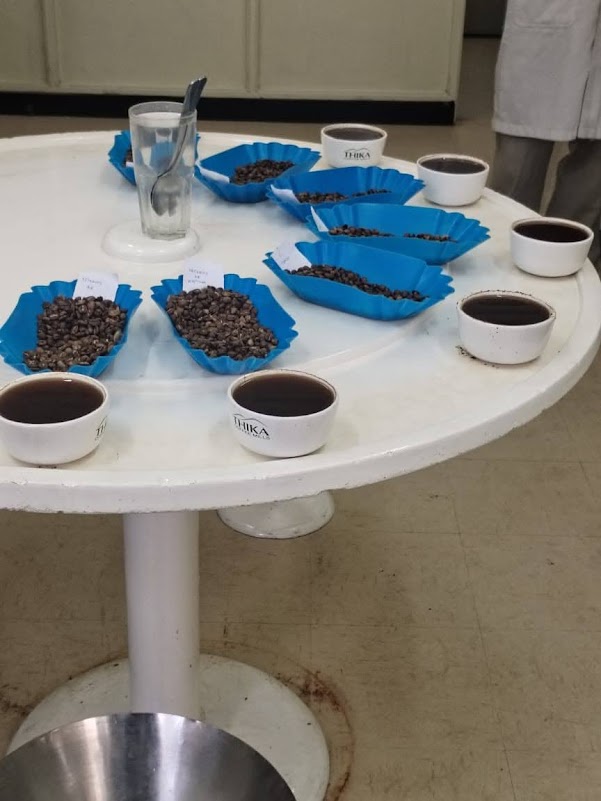
- 5-Cup Rule: Use at least 5 bowls per sample to detect inconsistencies/defects.
- Defect Deductions: Primary taints (-2 pts per affected cup), secondary faults (-4 pts). Distinguish “bright acidity” from sour defects.
- Panel Calibration: Score independently first; variance >2 points on any pillar → re-taste and discuss. Average for final.
- Roast & Setup: Agtron 55–60 (medium-light), 8.25g : 150ml water, 93°C, rest 8+ hours post-roast.
- Temperature Phases: Evaluate different pillars at optimal temps (e.g., Vibrancy hotter, Complexity cooler).
- Descriptors: Use precise wheel language (e.g., not just “fruity” but specific like blackcurrant + dried mango transition).
Comparison to Other Systems
- Vs. SCA Classic: Fewer attributes (5 pillars vs. 10), explicit Complexity & Vibrancy, simpler for training/origin use.
- Vs. SCA CVA: More accessible for farm/co-op level; adds economic/traceability focus.
- Strength: Bridges sensory science with economic transparency for better farmer outcomes.
ABCVA™ Official Score Sheet (already generated for you): Optimized for these nuances with dedicated fields for descriptors, phases (H/W/C), and deductions.
#Kenya Coffee School #Barista Mtaani #ABCVA™


