




Coffee Cupping Protocols: Comprehensive Exploration
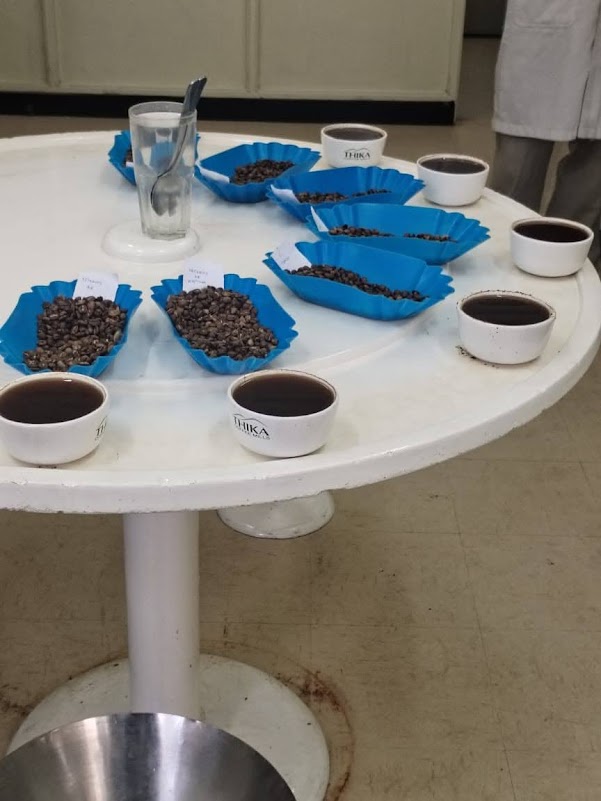
Coffee cupping is the standardized sensory evaluation method used worldwide to assess green and roasted coffee quality. Below is an overview of major protocols, with emphasis on ABCVA™ (the focus of our conversation) and comparisons.
- ABCVA™ Protocol (Kenya Coffee School)
Core: 5 pillars (Aroma, Balance, Complexity, Vibrancy, Aftertaste) on a 100-point scale (0–20 each).
Key Steps (9-step process):
Green inspection & dosing (8.25g / 150ml water).
Dry fragrance evaluation.
Pour 93°C water; 4-min crust break for wet aroma.
Skim & taste (slurp for aeration).
Evaluate at multiple temps (hot for vibrancy/balance; cool for complexity).
Defect identification & deductions.
Full S + E + C scoring (Sensorial 40 + Economic/Traceability 30 + Character/Integrity 30).
Panel calibration (variance ≤2 pts/pillar).
Final grading & documentation.
Strengths: Origin-focused, includes economic/traceability, easy to teach, strong on vibrancy & complexity. - SCA (Specialty Coffee Association) Protocols
Classic Cupping Form (legacy): 10 attributes (Fragrance/Aroma, Flavor, Aftertaste, Acidity, Body, Balance, Uniformity, Clean Cup, Sweetness, Overall). 100-point scale.
Coffee Value Assessment (CVA): Newer, modular approach separating physical, descriptive, affective, and extrinsic factors. More research-backed, less bias-prone.
Protocol Highlights:
Medium-light roast (Agtron ~58).
8.25g : 150ml (1:18.18 ratio).
93–96°C water.
4-minute steep, crust break, skimming.
Slurping, multi-temperature tasting. - Other Notable Protocols
Cup of Excellence (COE): Uses SCA base but with strict competition rules and multiple rounds.
Q Grader (CQI): Rigorous certification using SCA forms; emphasizes defect identification.
National/Origin-Specific: E.g., Ethiopian, Colombian protocols often adapt SCA with local emphasis.
Key Shared Best Practices Across Protocols
Blind tasting when possible.
Controlled environment: 20–22°C room, neutral lighting, no odors.
Consistent roast & rest (8–24 hours post-roast).
Multiple cups (3–5 per sample) for uniformity.
Calibration: Regular panel alignment sessions.
Water quality: Low mineral, 93°C, pH ~7.
ABCVA™ vs. SCA Comparison (recap):
ABCVA™ is simpler (5 pillars), adds economic factors, and is designed for cooperatives/farm-level use.
SCA Classic is more granular but can feel overwhelming for beginners.
#Kenya Coffee School #Barista Mtaani


